Architecture & Design

Posted on the: April 12, 2019

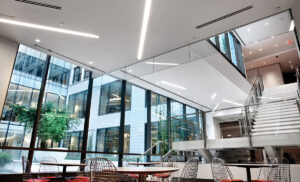
Avoiding the Top 3 Pitfalls in Human-Centric Lighting

Light is the link between our bodies and the solar day. We evolved under the sun for millions of years and are closely attuned to the daily light/dark cycle of the sun. This is our circadian rhythm. Modern technology is catching up to the sun. Between recent advancements in LEDs[...]

Posted on the: April 9, 2019

7 essentials architects need to know about LEDs
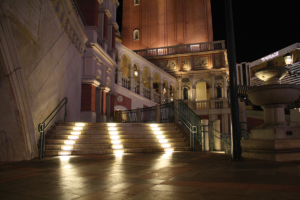
The very first LEDs were invented in the early 1960s and LED lighting has come a long way since the 1990s when it entered the commercial market as a viable alternative to incandescent and fluorescent light. Those early LEDs had problems with flickering and prompted stereotypes of bright blue light[...]

Posted on the: March 19, 2019

What is the right light? A primer for architects

The “right” light—it’s what everyone wants, but what is it? The right light for a space is light that delivers in three areas: the right amount of light at the right location for the right amount of time. Just as “one-size-fits-all” clothing really fits no one, the right light for[...]

Posted on the: March 12, 2019

Color Shift: Why It Happens In LEDs and the Simple Way to Avoid It

One of these rainbows is beautiful like a dream and one is an ugly nightmare. (Right photo courtesy of Energy.gov). Rainbows in nature are beautiful things and seeing them in the sky can be a soul-stirring event. Looking up in a room and seeing a row of lights that should[...]

Posted on the: March 6, 2019

A recipe for consistent LED color quality

Above: Use the slider to see the difference a metal halide lamp and Amerlux’s high color quality LEDs.  As any physicist can tell you, color is made of three things: hue, saturation and lightness. But rendering color well with lights requires more than just understanding these elements. Amerlux’s customers have[...]

Posted on the: March 3, 2019

6 solutions to common daylighting obstacles

For centuries, artificial lighting has been focused on providing illumination for tasks. While that is still the main purpose, the next frontier in modern lighting is light that makes us healthier and more productive. Called human-centric lighting, this lighting style maximizes natural light whenever possible and mandates that artificial light[...]

Posted on the: February 28, 2019

Layering light: 4 real-world examples for architects

There are three basic kinds of lighting at work in a space: ambient (general) lighting, task lighting and accent lighting. The optimal way to illuminate a space depends on the room’s function in the overall floor plan. Before designing the lighting scheme, ask the client questions like “what will you[...]

Posted on the: February 21, 2019

4 Things Architects Should Know About the DLC
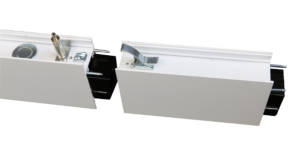
You’ve read it thousands of times on lighting products you’ve specified: “DLC Listed” and “DLC Approved.” But what does it really mean? What is the DLC? The DesignLights Consortium (DLC) is a nonprofit organization that certifies LED light sources meet standards. The DLC provides for the commercial and industrial markets[...]

Posted on the: February 5, 2019

Quick-Line’s ‘Link it-Latch it-Cap it’ Receives U.S. Patent Protection
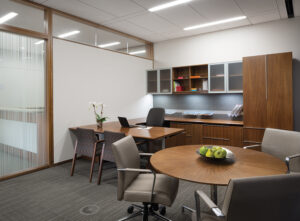
Linear LED Saves Time, Money for Architects, Design-Build Firms, Contractors Amerlux, an award-winning design-and-manufacture lighting company, announced today it has been granted U.S. patent protection for intellectual property incorporated into its Quick-Line linear lighting that makes design and installation easy. Amerlux’s Quick-Line, which entered the marketplace in 2018, is a[...]

Posted on the: February 4, 2019

Over Illumination: 3 Ways Architects and Lighting Designers Can Avoid It

If some is good, more is better. Right? While that’s true about your bank balance, it’s definitely not true when it comes to lighting. Achieving the right amount of light in a space is a delicate balance involving divergent factors including OSHA standards, the purpose of the space, how much[...]