
Architecture & Design
Art Galleries & Museums
Facility Management
Interior
Lighting Applications
Municipal
Retail
Supermarket
Track Lighting
CRI vs. TM-30: What Do These Color Quality Measures Mean?
 If you’ve looked at lighting recently, you may have seen something like “CRI: 83” or “Rf 94”among the alphabet soup of the lighting specs. Another product advertised its great color rendering with two scores and a round graph. What does it all mean?
How a light renders colors is very important—look at yourself in the mirror under a fluorescent light. It’s probably not your most flattering look and that is because fluorescent lamps tend to render color poorly. Beyond looking good in the mirror, color quality is absolutely critical for applications like retail and museum displays.
Since the early 20th century, the standard for measuring how color appeared under different light sources was the Color Rendering Index (CRI). CRI worked for conventional lighting sources like fluorescent, but new LED technology necessitated a new color quality scale that could adequately measure the full spectrum of light from LEDs. Enter TM-30. Here’s how the two different scales work and how their scores should factor into your decision-making:
If you’ve looked at lighting recently, you may have seen something like “CRI: 83” or “Rf 94”among the alphabet soup of the lighting specs. Another product advertised its great color rendering with two scores and a round graph. What does it all mean?
How a light renders colors is very important—look at yourself in the mirror under a fluorescent light. It’s probably not your most flattering look and that is because fluorescent lamps tend to render color poorly. Beyond looking good in the mirror, color quality is absolutely critical for applications like retail and museum displays.
Since the early 20th century, the standard for measuring how color appeared under different light sources was the Color Rendering Index (CRI). CRI worked for conventional lighting sources like fluorescent, but new LED technology necessitated a new color quality scale that could adequately measure the full spectrum of light from LEDs. Enter TM-30. Here’s how the two different scales work and how their scores should factor into your decision-making:
What is CRI?
Developed in the 1930s and updated in the 1970s, the Color Rendering Index (CRI) was the first industry standard for measuring how color appeared under different light sources. Consisting of a reference light (typically the sun or an incandescent lamp) and eight pastel colors the CRI scale grades light sources on a 0 – 100-point scale. Light sources are tested on how closely the eight-color palette renders under them compared to the reference light. Each color gets a score and the scores are averaged together in a complicated formula to make on CRI score (e.g. CRI 83). A score of 100 is perfect and means the light source being tested renders colors exactly the same as the reference light. A score of 80 and above is considered good, while 90 and above is excellent.CRI’s Limitations
The CRI was an important step forward when it was developed, but it has several limitations. These limitations are becoming more and more apparent as the standard ages and new lighting technology pushes the limits of what is possible.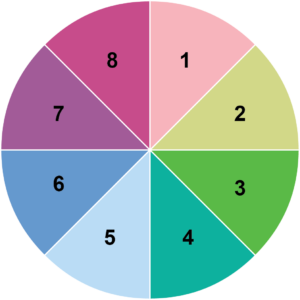
What is TM-30?
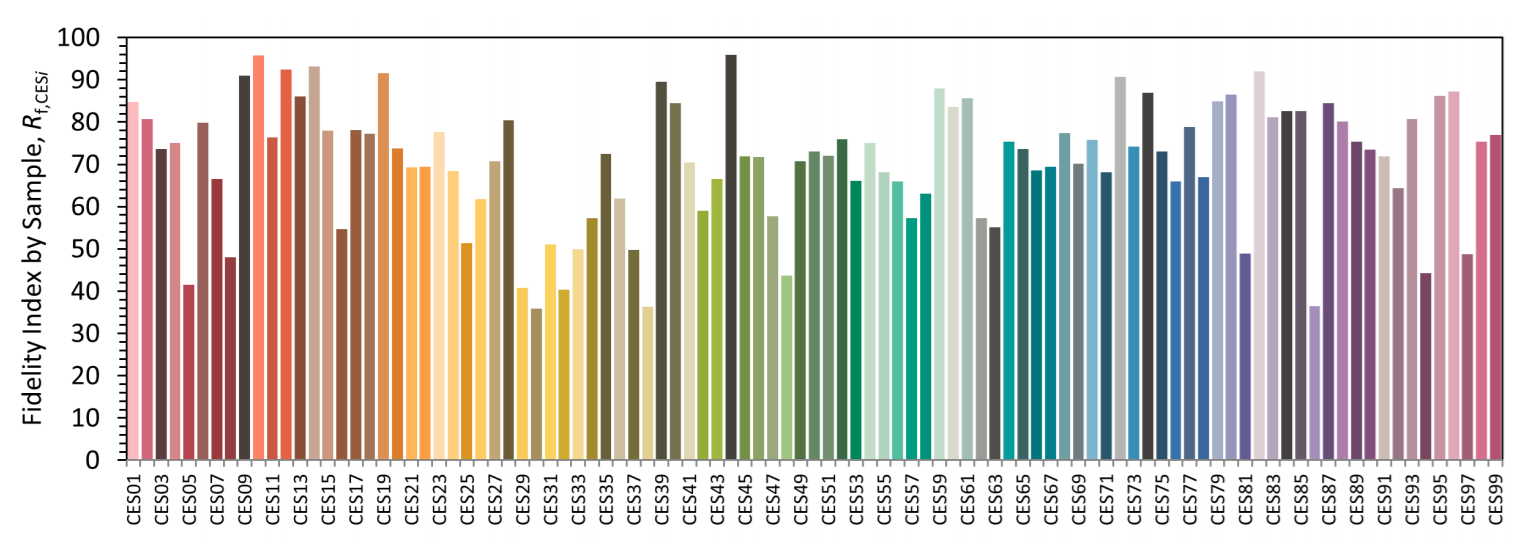
A new color rendering standard is gaining traction to deal with the limitations of the CRI: IES TM-30-15. IES stands for Illuminating Engineering Society, which is the organization that developed the scale. Frequently shortened to TM-30, the metric is currently used in conjunction with CRI on packaging, but it is poised to supplant the CRI measurement. Where the CRI provides a single score, TM-30 is more comprehensive and consists of three parts: a Fidelity Index, Gamut Index and the Color Vector Graphic. These combine to give a more accurate picture of a light source’s color faithfulness and better accounts for the outstanding color rendering abilities of LEDs.TM-30’s Fidelity Index
Long story short: How closely can a given light source render colors compared to the sun.TM-30’s Gamut Index
Long story short: How intense are colors under a given light? The dictionary definition of “gamut” is the “full range or scope of something” and TM-30’s Gamut Index (also called Rg) measures the full range of color saturation. A gamut score of 100 means the colors render the same under the artificial light as under natural daylight. Scores below 100 indicate the color is less saturated, while scores above 100 mean the colors are more intense than under sunlight. In general, acceptable color quality should fall between 80 and 120.TM-30’s Vector Graphic
Long story short: Which colors are saturated or desaturated?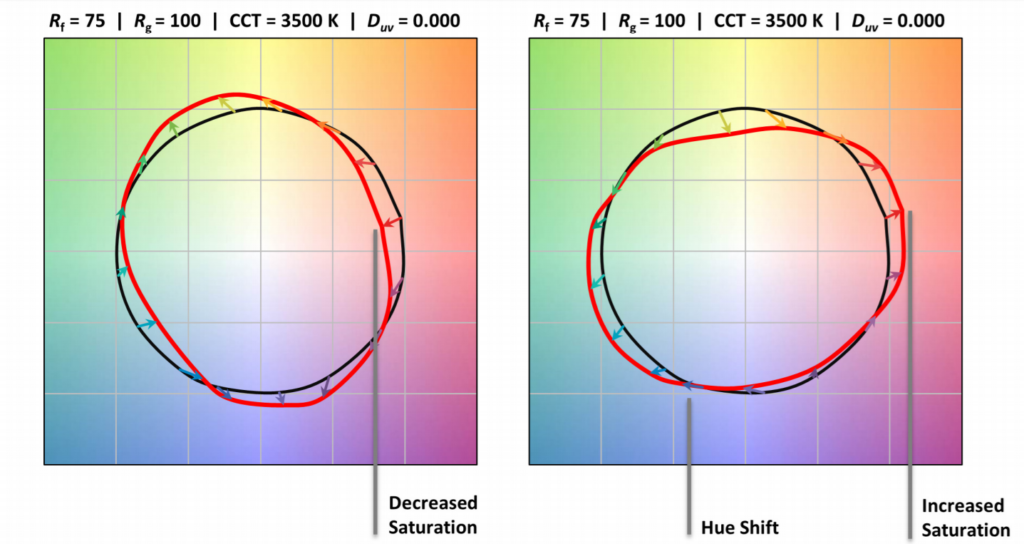
You may also interested in:
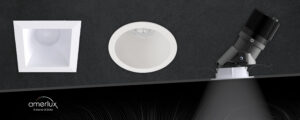
Amerlux Launches Hornet 2.5 with Market-Leading Output
New Collection of Versatile Downlights, Wall Washers and Adjustables Combines High Performance, Glare Control and Full Aiming Flexibility OAKLAND, N.J. – Amerlux announced today that it has released the newest addition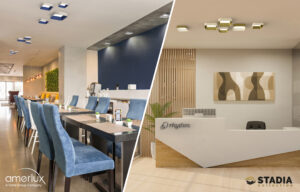
Amerlux Unveils Soft-Square Collection of Architectural Downlights
Stadia Series Allows for Bold Distinctiveness in Versatile Clusters OAKLAND, N.J. – June 5, 2024 – Amerlux, an award-winning design-and-manufacture lighting company, released today a new series of architectural decorative